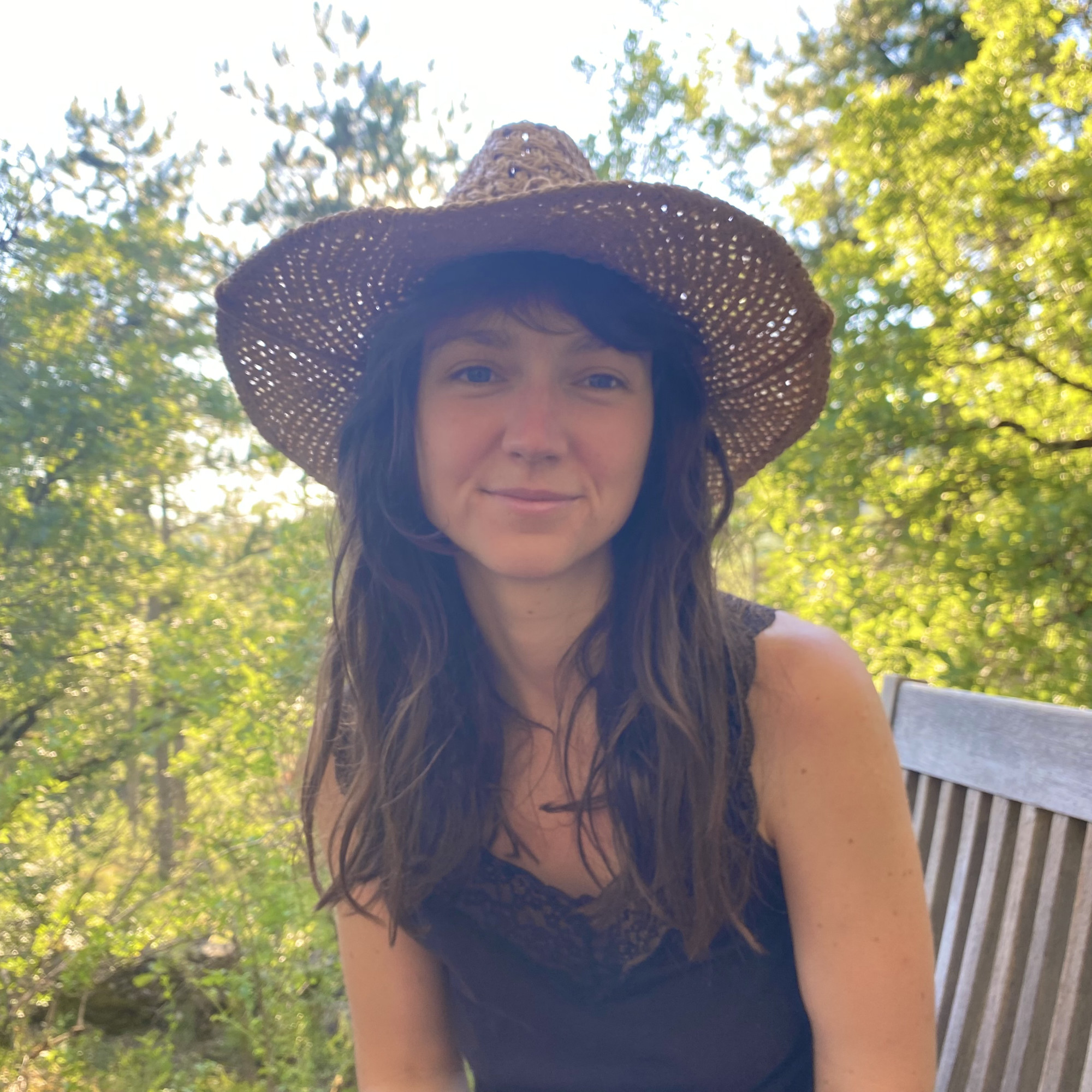
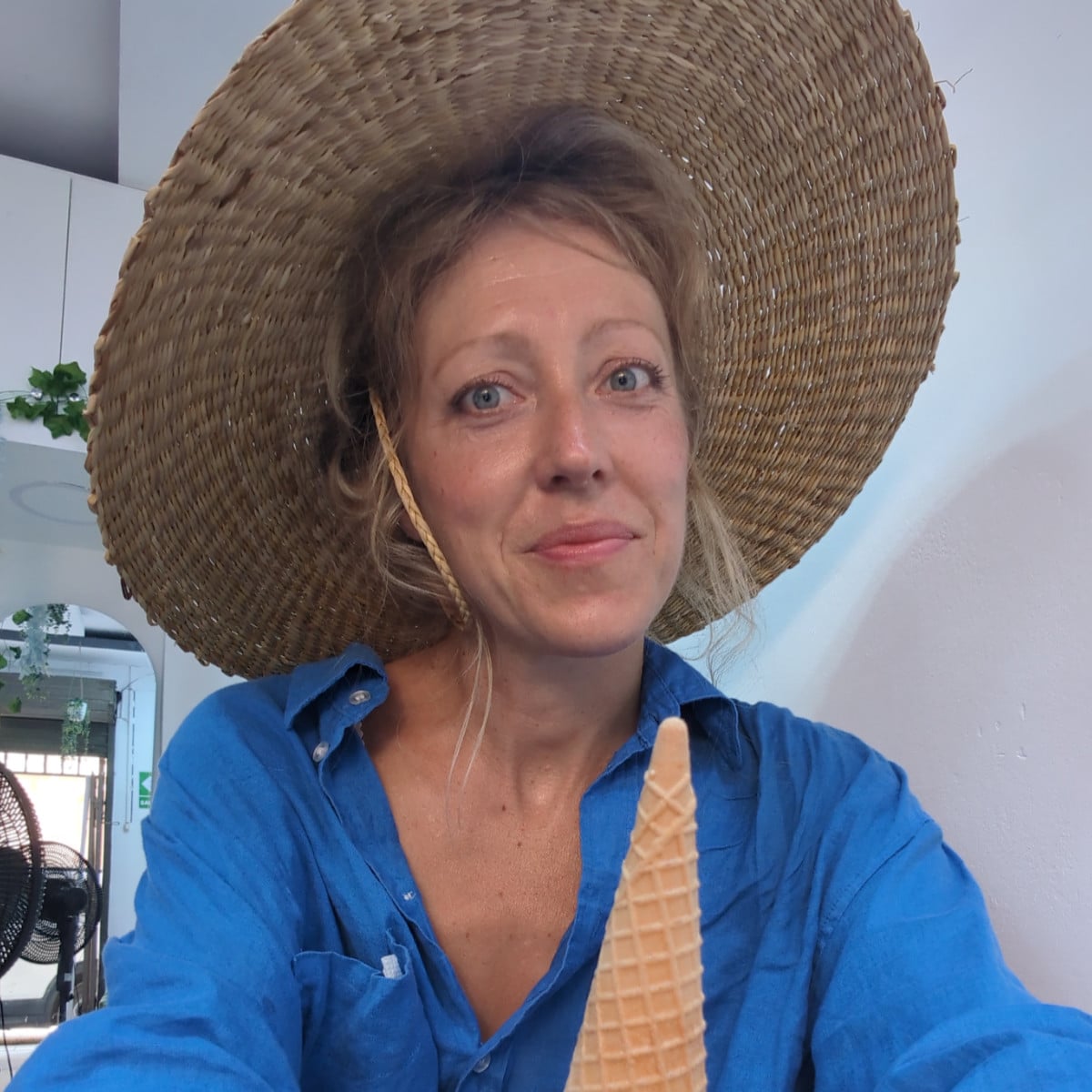
On the release of Owen’s new song & video – one in English, one in Welsh – we invited him to speak about it.
Owen says:
To go with the song, I’ve written a little love-note to folk culture, from the perspective of my birthplace and its imprint upon my art and dreaming. I don’t mean to say we should be defined by our past, but that roots and culture are a medicine, and I celebrate the gold still there. As an artist, I enjoy re-shaping culture, and that is easier when you know the culture well. I feel our present and future can be enriched by knowing deeply the ancient beauty, and engaging with the continuity and the old love that’s reached us. Reinvisioning our roots is a creative act to heal society: it’s to reclaim our culture directly, rather than accepting or rejecting someone else’s version of it.
Raw video footage – Kate Priestley
Video editing – Owen Hanner
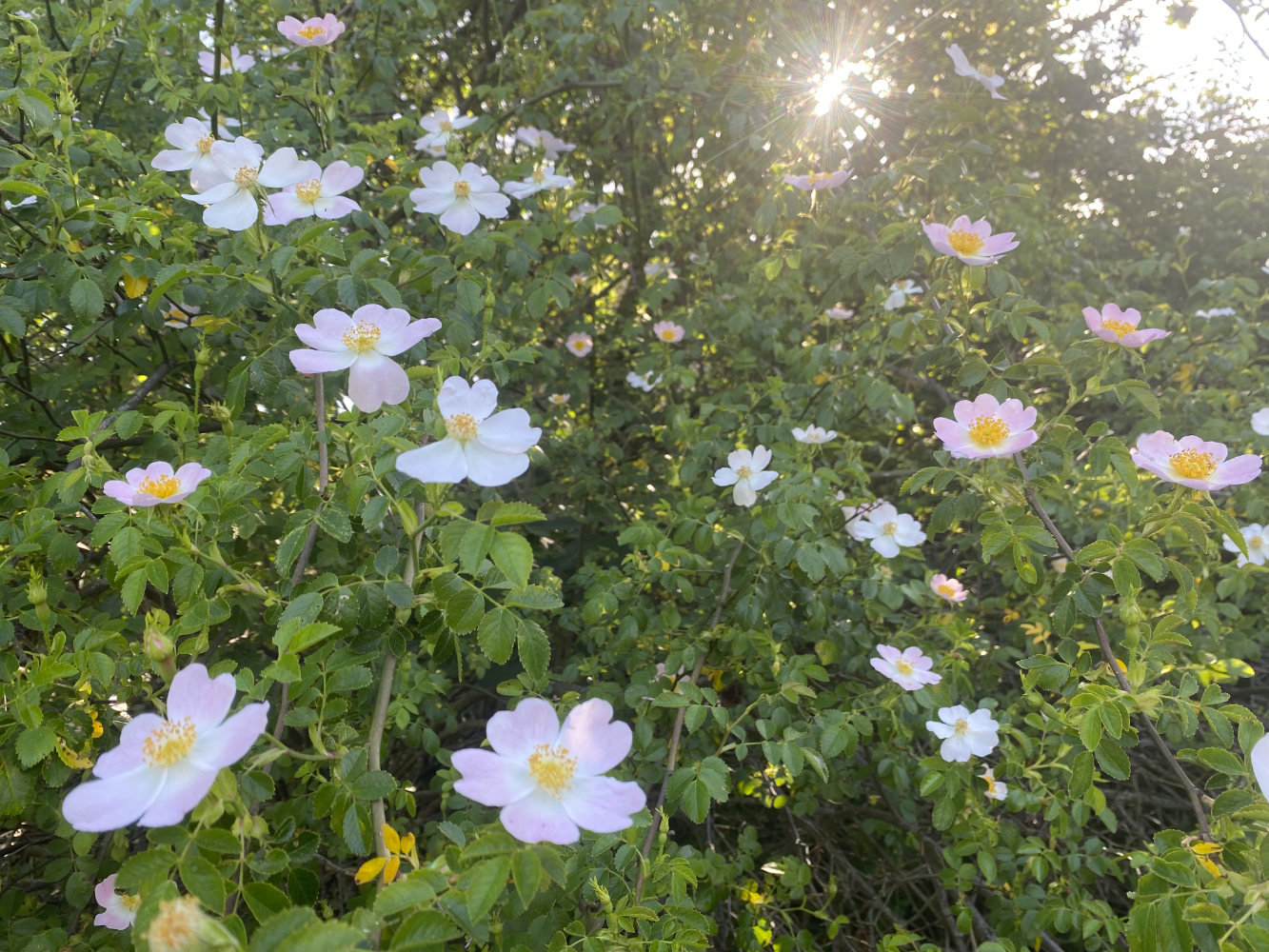
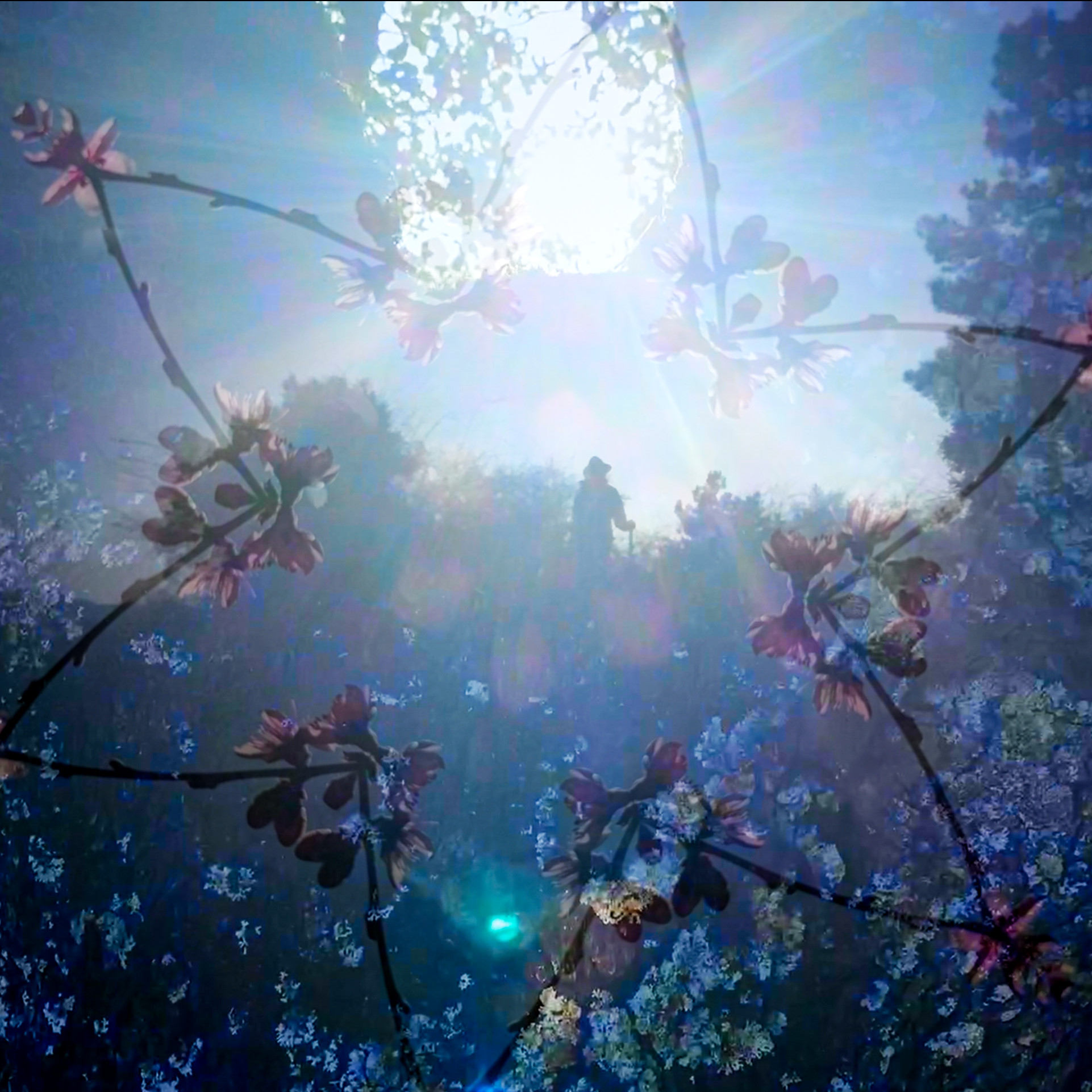
Star Blossom or Blodau Seren (Pronounced: Blod-eye Seren) – A song of our connection with nature:
It’s a Spring song in more ways than one! It came from having to wait for the spring equinox to even have electricity to record. It spontaneously appeared in the joy of being able to record again. It is also saturated in the frequencies of our mountain forest home, right at the equinox.
We’d had a whole winter of constant electric blackouts, and as someone whose passion is composing & recording music at home, this wasn’t very fun. My creative enthusiasm was in deep freeze, like the land around us.
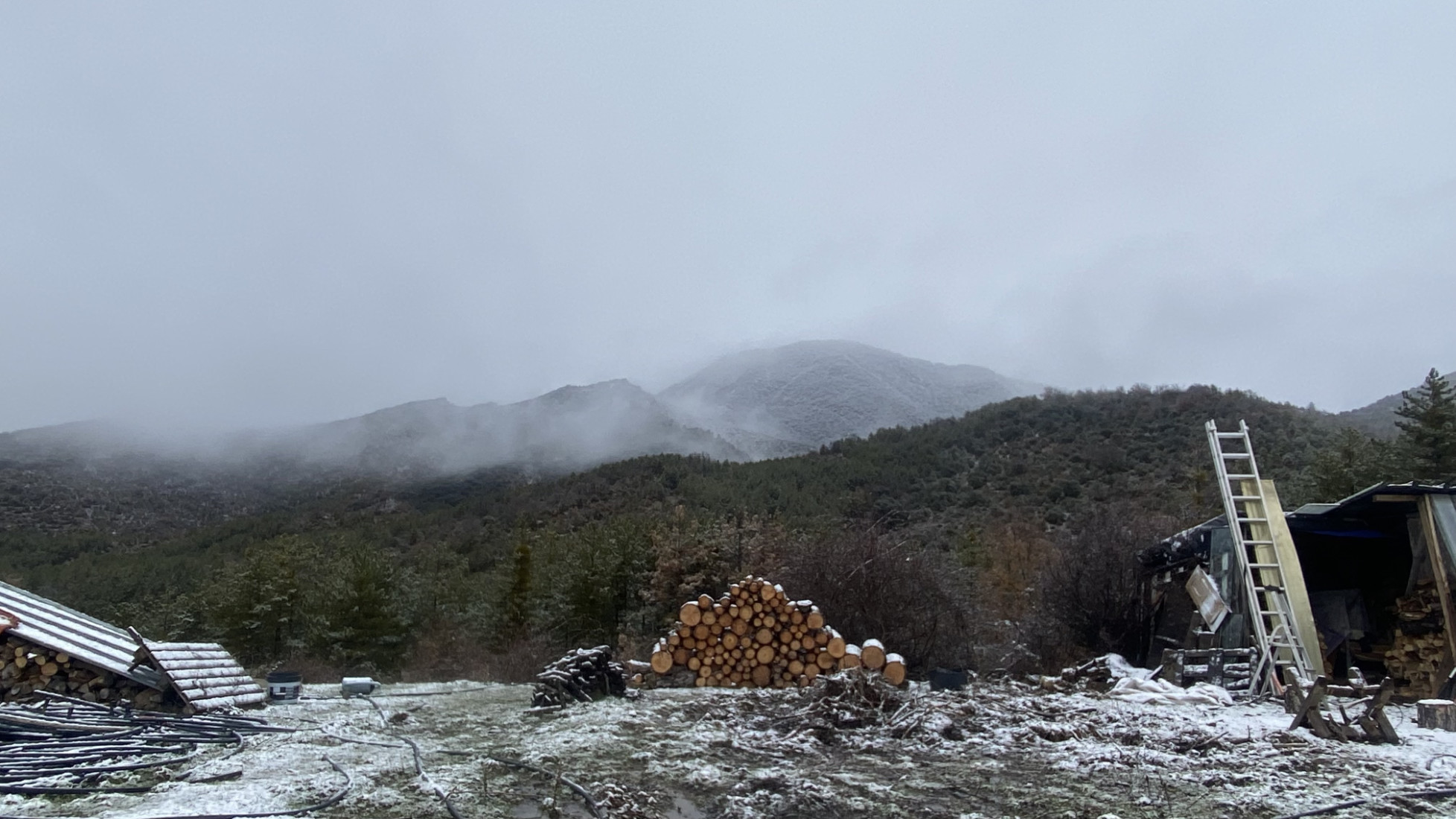
It brought a lot of frustration and self-doubt, as can happen when you’re living someone else’s life. In this case, the quick creative impulse was yoked most unwillingly to a kind of farmer’s plough, stuck at seasonal speed, plodding it out, waiting, feeling ever more acutely the shortness of life and my own need to flower whilst I still can.
But Spring begins subtly, in small forest flowers, and as the electricity slowly returned, I knew I’d have to start small too. Sudden power-cuts have corrupted songs in the past, leaving them un-openable. This time I’d have to be quick.
(A quick shout-out to Maria Yli’s very short song, Bumblebee, which is a great example of how brief a song can be whilst remaining a complete message, like a single spring flower.)
The electricity stabilised by the Spring Equinox, when I began this simple love-song to the silence within, merging with another song to summer, joined up with a middle in very simple Welsh. Kate liked it and encouraged me to translate more lines, which I was self-conscious about doing, not being a proper Welsh speaker, but, I tried, and I liked the sound of it too. Its rhythm fitted perfectly and its tones added to the aura of the song.
So what started as just a fancy, turned into serious study to make a passable translation. I’m open to the feedback of fluent speakers! Wales was in my mind as we’ve been thinking a lot of Britain, and I’ve always found Wales a special place where the ancient memory is stronger.
It’s easy to hear the music of Welsh when you don’t speak it, but the music is really there. It has more vowels than English, and they’re more precise and subtly gradated. It’s subjective, but I hear in them the subtle colours of Atlantic skies, and the full swoop of the landscape in its consonants: from soft meadows to crags and cliffs (and sea-spray in the Welsh ‘LL’).
It’s easy to think of Welsh as landscape, too, when its placenames echo across all Britain. If you grow up in England, you know there’s a Celtic culture beneath everything, a time just beyond our ken, rich in land memory and stories unsung, stretching back to when the isles were all forest and legend was the bread of life. A few stories from that time survive in Welsh culture – they alone carry the memory of a Britain before England and Scotland – but most we’ll never know. It’s a mystery.
And I grew up nourished by that mystery. It fed my imagination. My Welsh-born grandfather, who also didn’t speak the language or live much in Wales, gave me books of the castles, stormy skies, stone circles and green hills of Wales – all waters of life to a child’s imagination. All cultures fascinated me, but the ancient Celts were the easiest to reach, and hardest to fathom. Other jewels of our world heritage came presented through a book, a CD, or a glass cabinet, but I could touch the stones at Avebury, in their real place amongst the chalk meadows, and still have no answers. The mystery was like fresh air. Everything else was explained to death, but here were these stones, alive, unaccounted for, with only the wind in the trees to speak for them. I fell in love with everything those times could be. Sometimes they felt closer to me than the present reality.
Whether those times were strictly ‘Celtic’ or not shouldn’t matter. Academics and nationalists split hairs over this, but the land tells its own continuity from then to now. I could climb ruined castles at the sea and feel the sea’s massive choir echo in the ruins. There was the mystery again. I could feel its ache and the soul’s yearning in folksong, much of that Celtic, and I spent as much time in that music as I could, under the oaks ideally. At all times I was half in that world of imagination, and half in 2000s England. (That ache and longing for the mystery has a specific word in Welsh: ‘hiraeth’.)
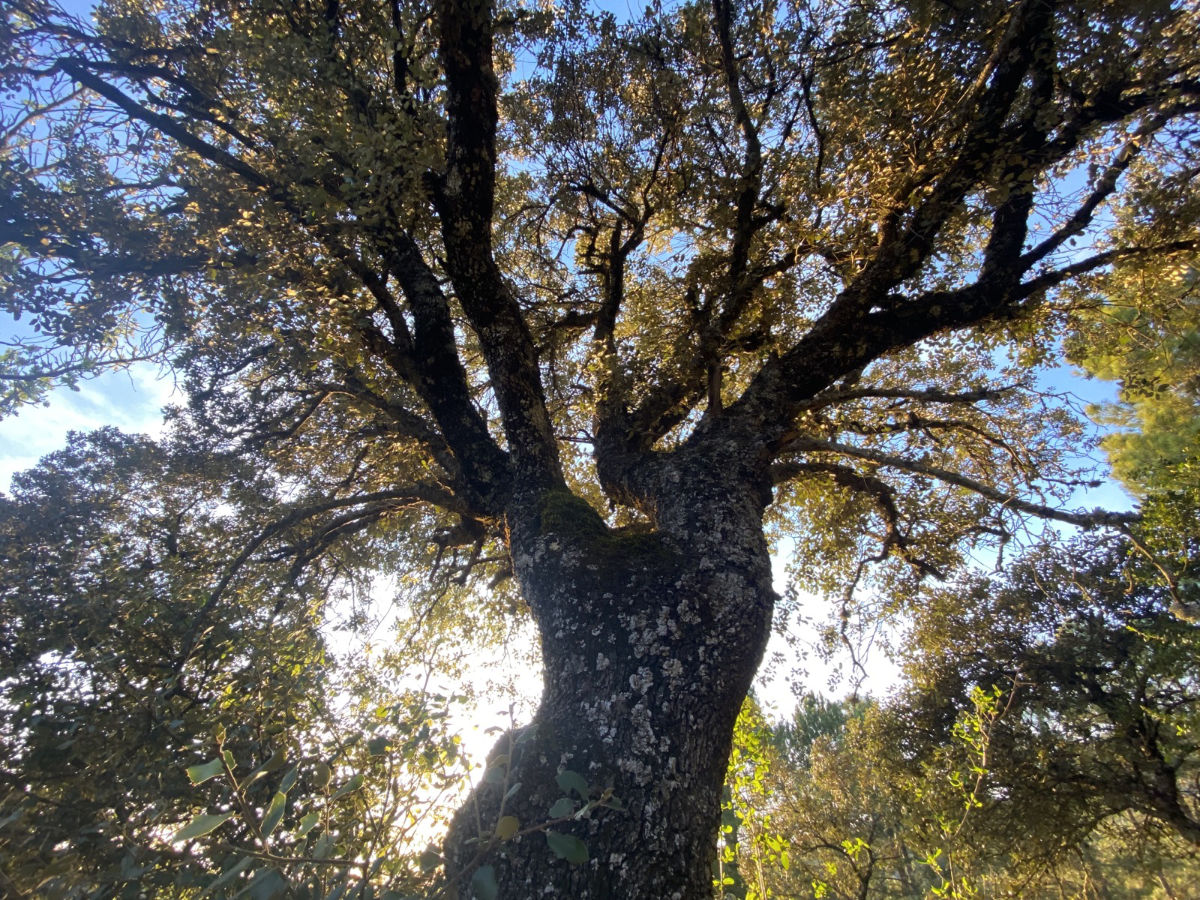
I didn’t know it, but I was being transformed by a strong elixir of nature, mystery and timeless beauty. It was also a drop-by-drop immersion into the Bardic heritage that runs through England and the Celtic world — and through my music, verse, and visual art. Whilst I loved other cultures too, I just became fluent in Celtic illumination & folk instruments whilst still in my teens, and it’s remained constant. The sitars and such that I longed to play, would only come much later, if at all.
We live in an age of rigid, uncreative identity politics that would reduce everyone to just their body identity and bloodlines. That’s not why I picked up Celtic instruments, or tried to write my song in Welsh.
It’s for love of the oldest song, that of our kinship with the earth, and the far-journeying gold in our veins. It’s for love of the ancestors whose care was to transmit the gold as best they could, and to honour that.
It’s from knowing the artistic and visionary heritage of these islands, forgotten to so many, and my belief that knowing the ancient beauty will quicken our return to nature, meaning, and a more positive collective identity.
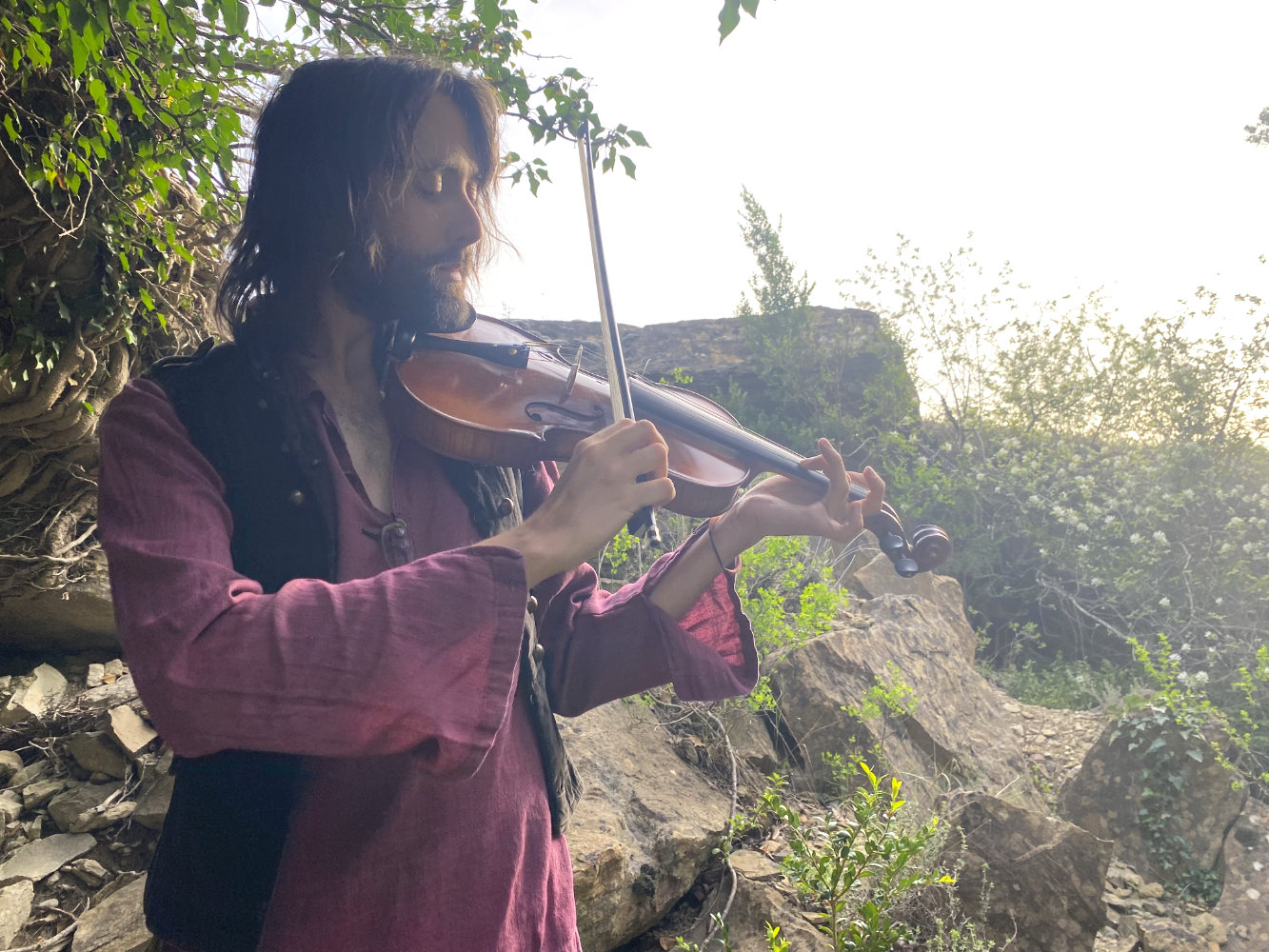
Mythology is a wellspring of memory, wisdom and inspiration. It speaks of our lives poetically because only poetry is fit to tell the beauty. Folk art is the same wisdom encoded differently, celebrating nature, expressing love and connectedness in its emblems, such as the knot and the spiral. Likewise in folk song, the harmony of voices, the drone that is the ground of being, the melody that dances over it, the cyclic rhythm mirroring nature, as with the circle dance: all folk art is a love-note from nature, expressing our part in it.
Modern state histories are different: they were shaped out of intrigue to keep us small: a divide-and-rule-fuel extracted from bare geography. They don’t satisfy in the way that local land memory does, which has a story for every stone, and recalls the care that homes are built with, and knows the beings we share it with.
Mythology reopens a richer, vaster history, with room to imagine. Its agenda is just folk wisdom: the fable, or to remind us of our link to the stars, the land; how to dream and live.
Usually the only control agenda in mythology is in its blank pages, where it has been erased.
Statist identities erase our fuller history. They sweep it all under the flag and say that nothing of note came before it. This rewriting of our past went hand-in-hand with driving people off the land and silencing their voices, until they lose even the memory of what they’ve lost, and with that, their knowing of what to protect.
Mythology and beauty tell the history worthy of our future. They will remain after recent history is redressed. They help us regrow our roots and they exclude no-one.
I feel passionate about enriching earth’s culture, and by doing it organically, not by fabrication. We each deserve a culture that can satisfy our needs and meet the vastness of life. Few of us today have it, but our ancient ancestors did everywhere. A stay with other cultures can remind us of what ours may have lost, but it’s another thing to integrate oneself fully into that culture and regrow our roots there. For most it’s simply not an option, and even where it is, we will find things we want to change in that culture as well.
So what can we do if we crave a fuller cultural life in our local world?
We can create. We can give of our own depth to deepen the mystery for those to come. We each have a sense of beauty that it’s our birthright to use. We can also engage with the traditions already there.
And it’s worthy work, for the rootless tree is thin and easily overturned, whilst the well-rooted tree is strong and hard to move. And every rolling stone must somewhere come to rest. We all must live with the local and find our contentment there.
We are all perfectly placed to mend our cultures, honouring the gold that’s still there, and adding our own glow to it. Doing this, we steer it towards our vision of beauty. It’s our fire, and we can shape the flame as we like. Others will decide if it’s worth keeping alight.
In Britain, as in most of Europe and the Near-East, we have just fragments of the old culture. British mythology is that little bit that escaped the church, and its folklore what survived urbanisation.
Celtic legends fared better than English ones, as the Celts transitioned smoother into Christianity, saving a few stories in Ireland and Wales. (The Celtic church was independent of Rome for many centuries, rejecting concepts like original sin, wearing Druidic hairstyle rather than the monk’s tonsure signifying slavery, and preserving many practices that revered nature, especially water and wells. Its demise came through Rome founding a church at Canterbury to control London, and then financing Norman invasions of Britain and Ireland.)
English mythology was erased in the war on paganism, and its folklore harassed by the church for centuries. Even so, what survives across Britain is rich enough to reimagine culture with, and able to surprise us still with its uncommon sense.
The Celtic stories love to play on the limits of our knowledge. They are full of other races who hide their magic, other worlds with whom we exchanged animals & knowledge; isles where different laws of physics and time apply, and sea peoples for whom the sea is like green land and our world is the sea.
Giants are not just brutes, but poets. Bards could part battlefields just by their stature. Trees may teach, animals cross the veil with ease and guard secrets, whilst humans only chance upon them by accident, or by giving themselves fully to nature’s instruction.
In the old Celtic imagination, nature is wise, able to pour wisdom into receptive hearts. Bards were measured not just in their wit and memory, but in their ability to see with the eyes of nature, to ‘become’ it. Whilst this was later much eclipsed, it never fully went away. The earliest written poetry in northern Europe is Irish, and most of it tells the splendour of nature, without allegory or Christian doctrine. It simply implies that nature is holy in itself. This view would flourish again in English poetry during the industrial era, and these poets gave a spiritual foundation to the first ecology movement. It is, essentially, the ancient view, returning.
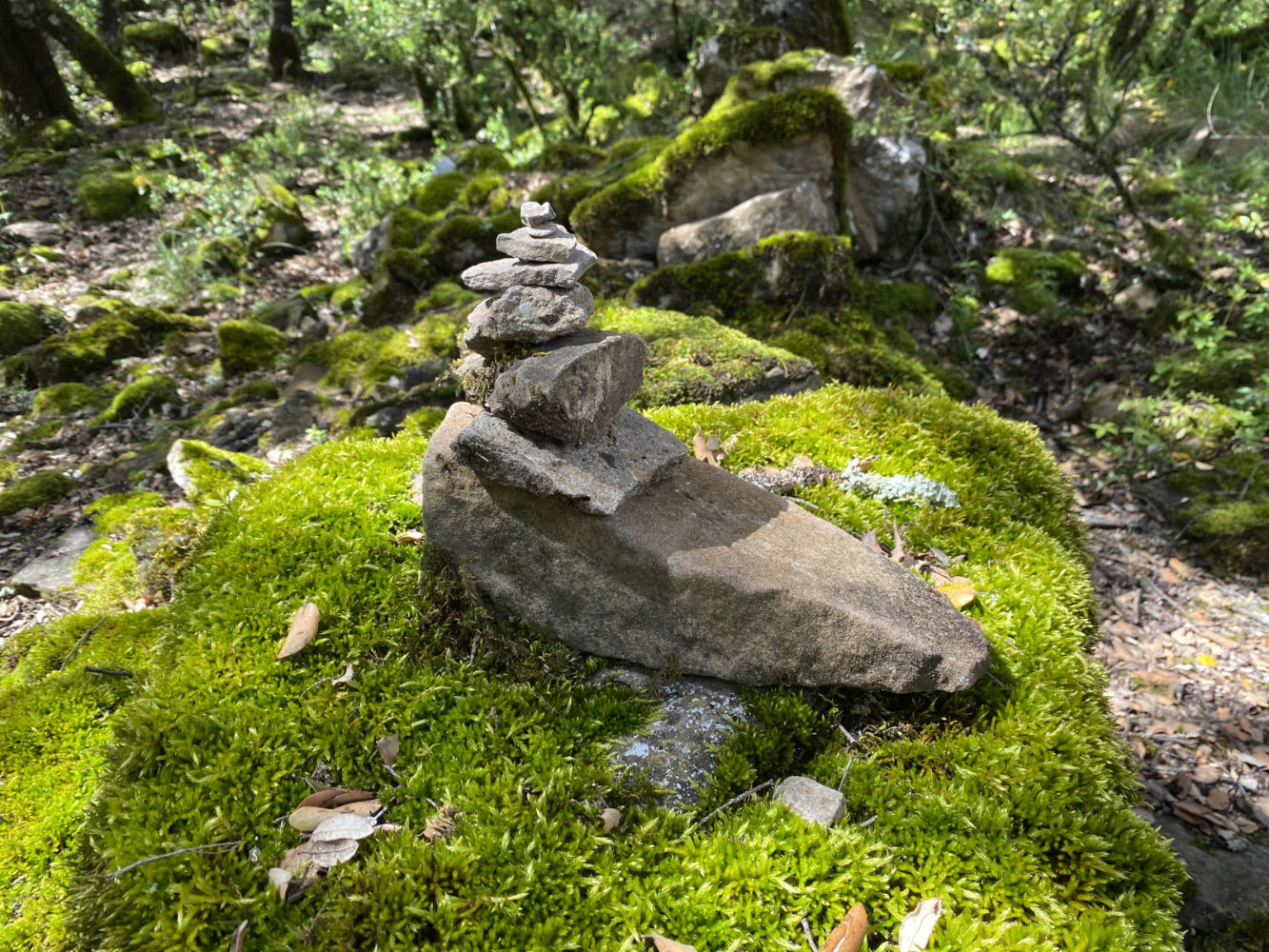
You know the aliveness and transcendence in nature, its ability to raise our consciousness, and the importance of that for fixing our societies.
That is what I see as the core of the bardic vision, that in Britain survived Rome, Church, Industry and Empire, to inspire ecology. Celtic lore reminds us that even in Western Europe, love of nature is the original continuity. Exploitation was the break with history. We lose sight of this because our history begins halfway in, during the exploitation, and only legend tells the fuller story.
Many people yearn for nature and a whole culture. They’re desperate for a saner way than our current trajectory, but they lack context, they only hear the recent history.
When more people are ready to turn back to nature, and see it as a sacred mystery we spoil in our hubris, they will find they have everywhere, a native spiritual-artistic legacy supporting them.
Nature can heal and inspire, so can art and truth. When nature, truth and artistry merge, this is the bardic voice. It can move mountains in its courage, and change the course of time, just as the legends relate.
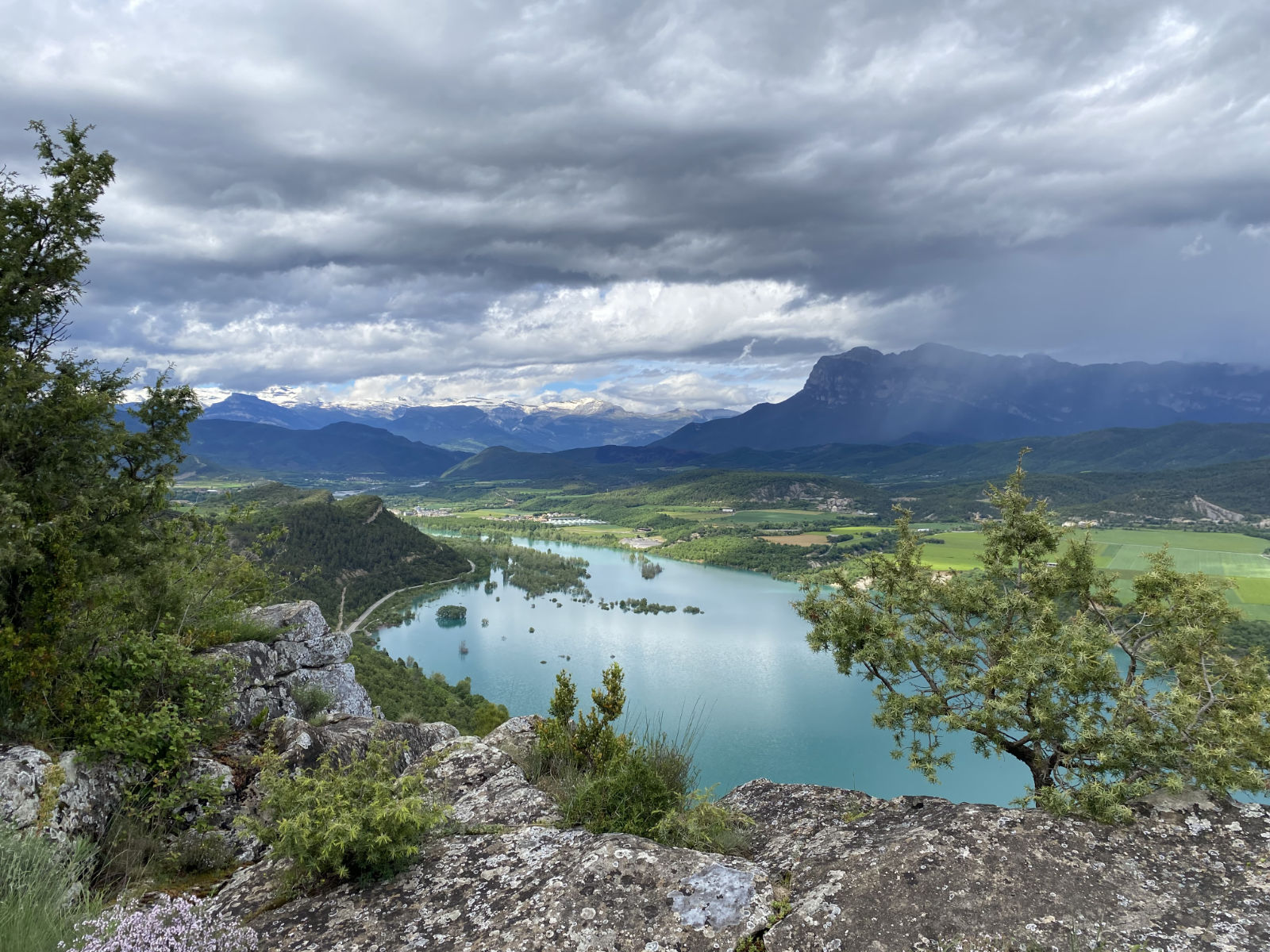
I think many of us have an uneasy relationship with history. We see how much went awry, how much needs changing, how heavy most of history is. It can feel easier just to sidestep the entire past. And if we don’t even identify as just our body and mind, then what to do about our cultural heritage? Leave it for others? But then we lose the gold in it, and it serves something else.
If I hadn’t encountered Anglo-Celtic folksong, mythology, or inspired bards such as William Blake and Robin Williamson, I would feel far less profoundly touched by beauty, and less clear or committed in my own life’s calling. Nature and this art have intertwined in my being, and I think the same may be true in my songs: everything that has ever touched me must be there.
My songs are simple offerings but I hope that they help bring somebody closer to the mystery, to the beauty and clarity in life, closer to peace and finding their own values. If my songs help this, they have served my life’s purpose, and honoured the great continuity I offer them back to.
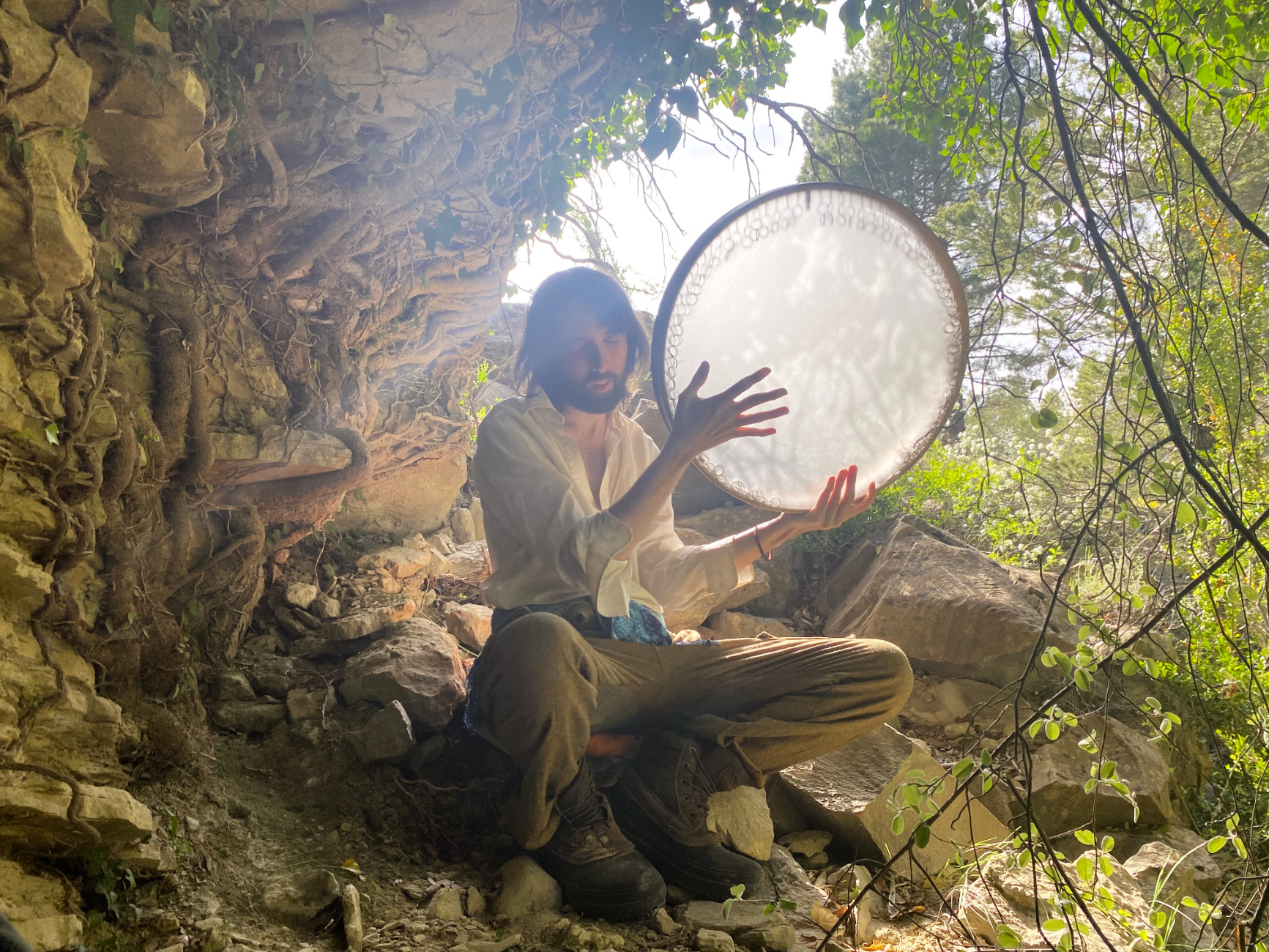
All photos taken by Kate Priestley
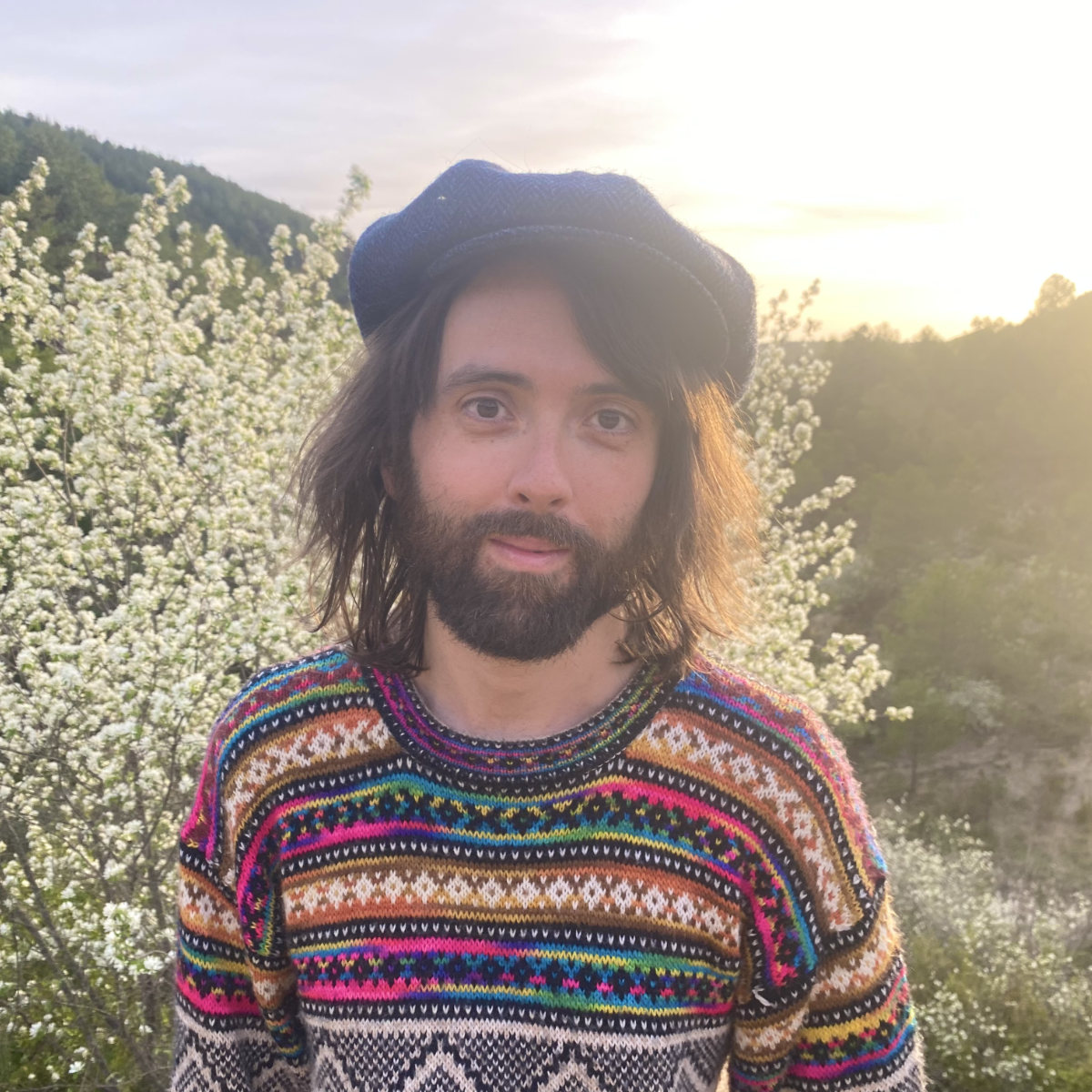
The author
Owen is a musician, poet, videomaker and a SunBeings editor. He has a deep appreciation for beauty and a passion for creativity and world culture as a healing force in our world.
Website:
owenhanner.com
Bandcamp:
owenhanner.bandcamp.com/music